Two years ago, while travelling in the Himalayas, I noticed people carrying water in discarded plastic oil cans. At first, I didn't think much of it. But the more I looked at them, the more interesting they became. The containers weren't designed to carry water. They were originally used to store and transport oil. Yet there they were, serving an entirely different purpose. The handle was already there. The container was already strong. It was already watertight. The only thing that had changed was the opening. The top had been cut away, creating a much larger opening that made the container easier to fill, easier to clean, and easier to pour from. A small modification had given the object an entirely new life. What fascinated me wasn't the modification itself. It was how obvious it felt once I saw it. The solution wasn't to create a new container. The solution was to recognize the potential in an existing one.

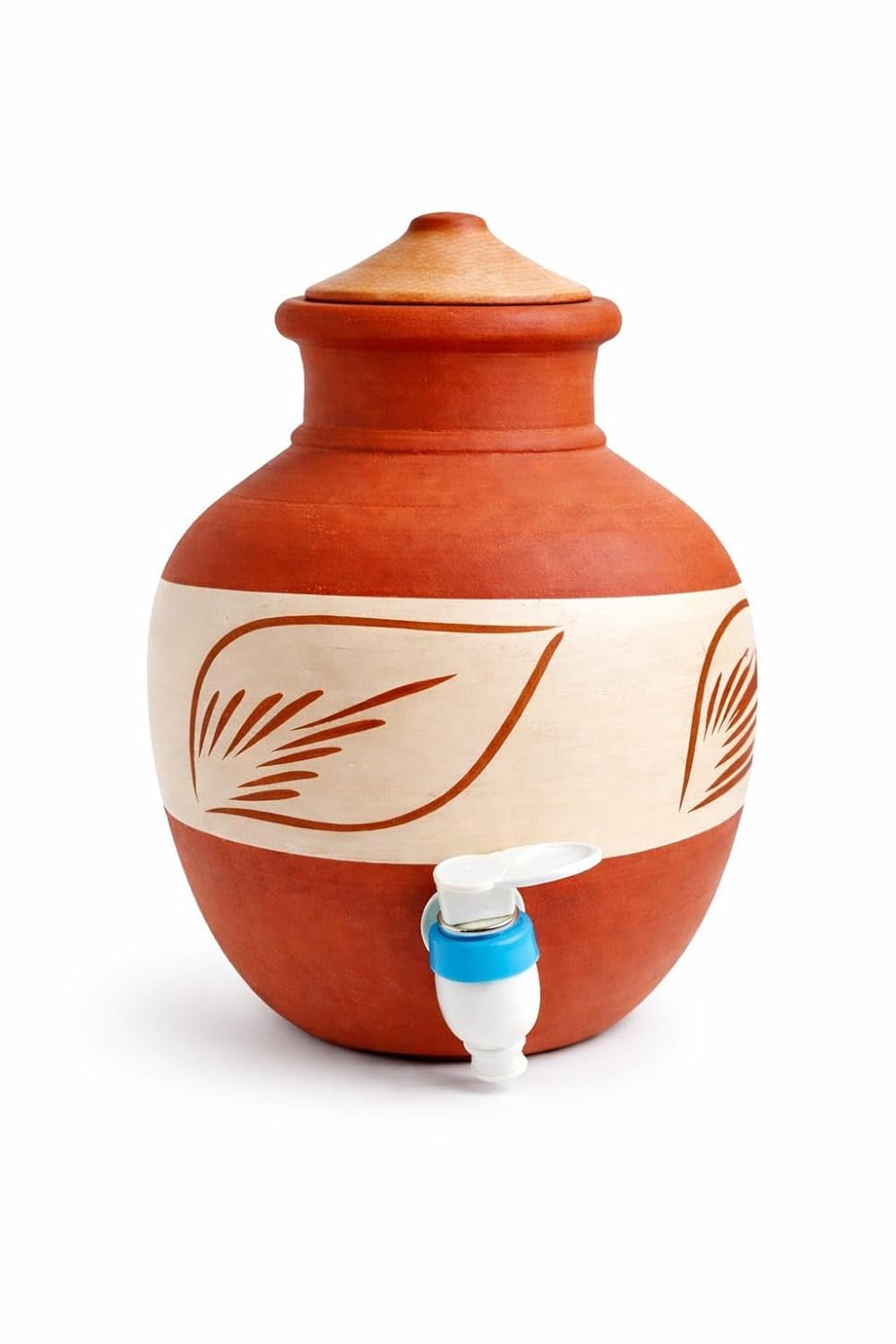
Since then, I've started noticing similar objects everywhere. Large terracotta vessels used for storing drinking water are sometimes fitted with simple PVC taps near the bottom. It's such a small intervention that most people don't even notice it. Yet it completely changes the experience of using the vessel. No lifting. Less spillage. Easier access. Better hygiene. A centuries-old object quietly improved by a component that costs only a few rupees. Nobody knows who first decided to fit a tap onto a terracotta vessel, but the idea spread because it worked.
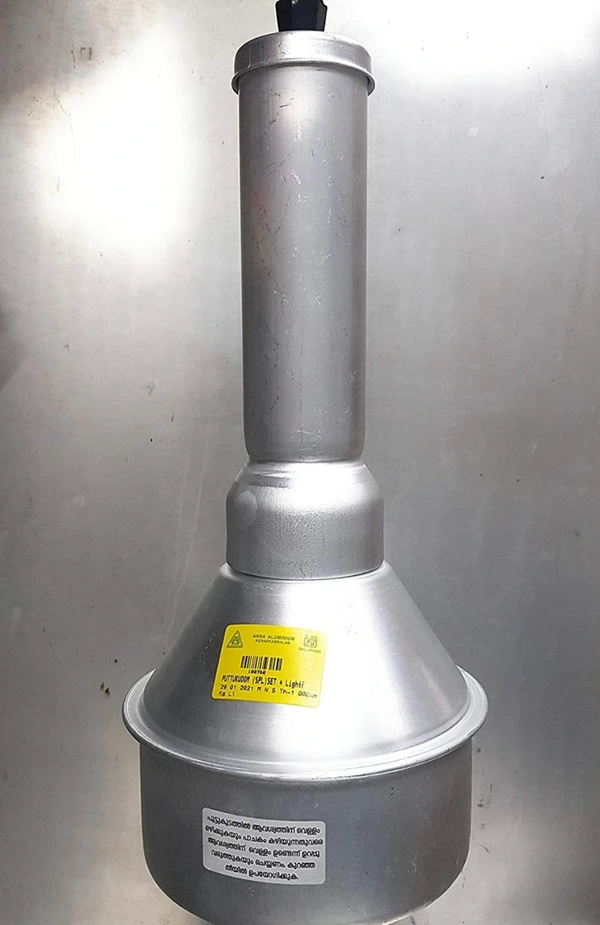
Back home in Kerala, one of my favourite examples is the puttu kutti. For most Malayalis, it's simply part of everyday life. For outsiders, it's often a source of curiosity. A vessel at the bottom holds water. Heat turns it into steam. The steam travels upward through a cylindrical chamber packed with rice flour and coconut. The food cooks without direct contact with water. It's an elegant solution to a simple problem. I've heard that early versions were made from bamboo before eventually evolving into the aluminium and stainless steel versions we use today. The materials changed. The manufacturing changed. The idea remained. The design survived because it worked.
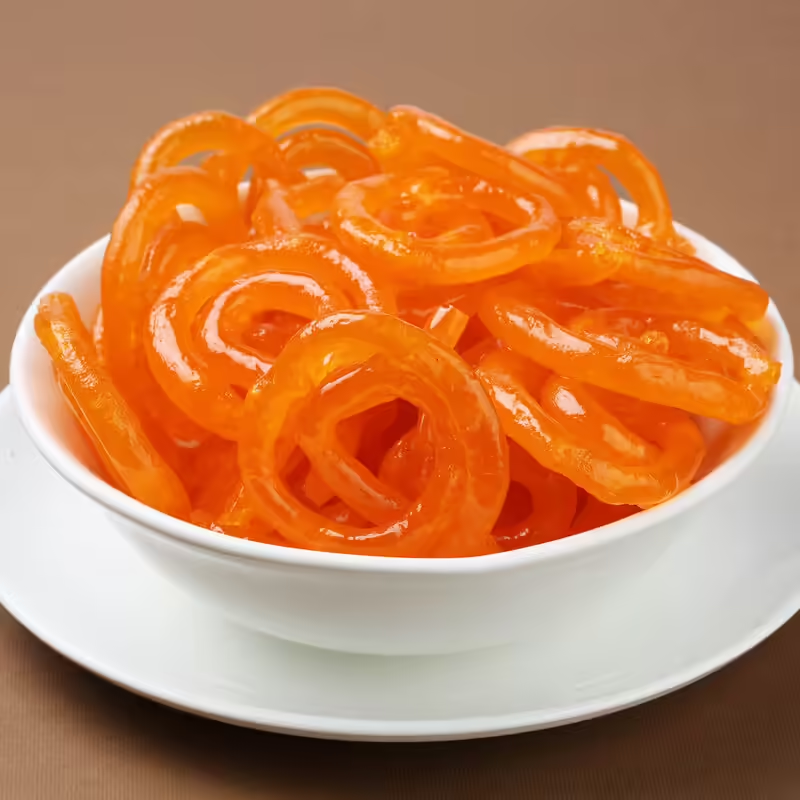
Even food seems to follow a similar path. Take the jalebi. Its spiral shape is so familiar that we rarely stop to question it. Yet the shape exists for a reason. The continuous spiral increases surface area, allows the batter to fry evenly, and creates more opportunities for the syrup to cling to the surface. Over generations, the form survived because it performed its function well. Nobody sat down and declared that this was the perfect shape. The shape evolved because it worked.
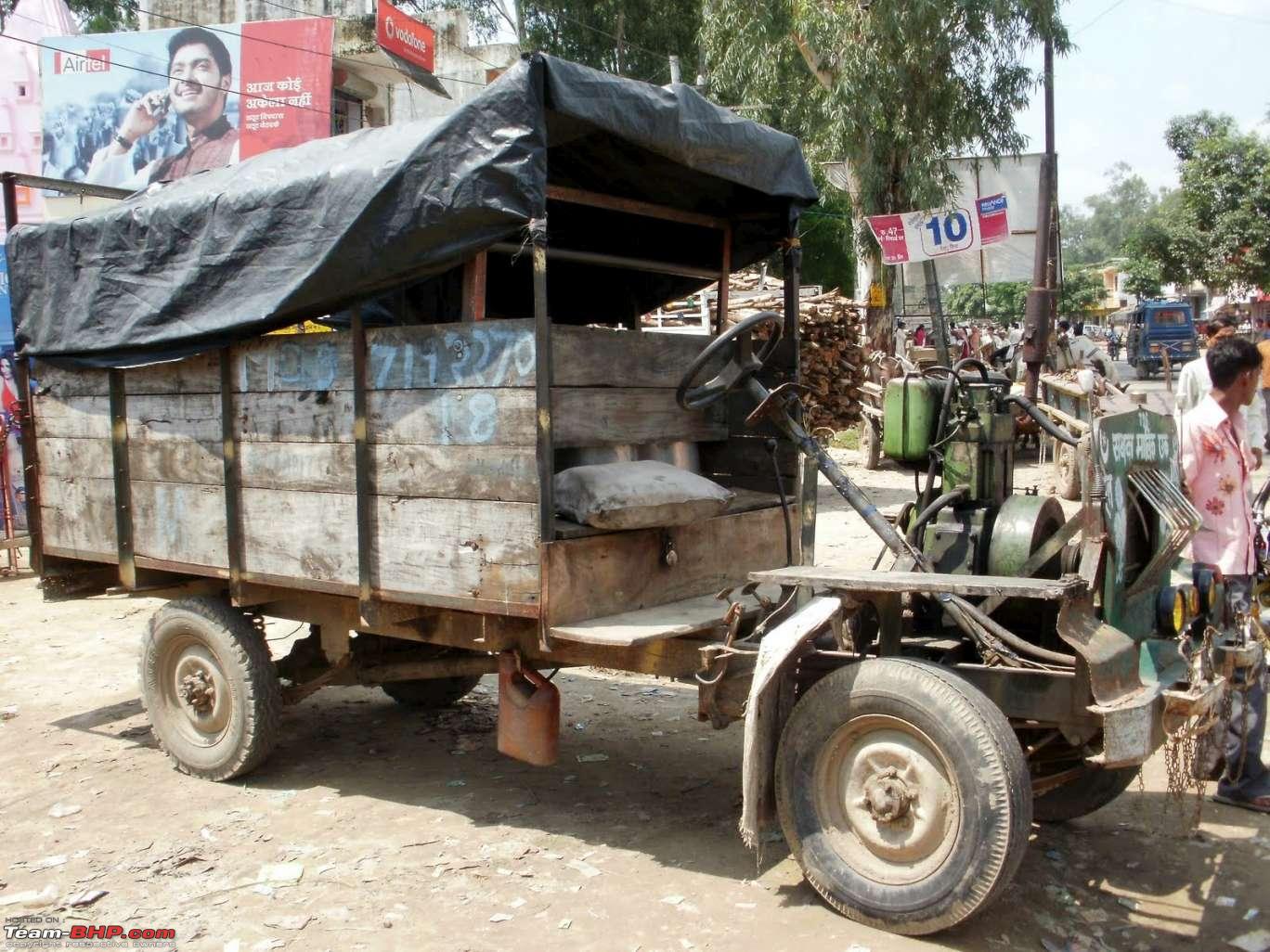
Then there is the jugaad. Not the mindset that has become a buzzword, but the actual vehicle found in parts of rural India. Built from available parts, adapted to local conditions, repaired endlessly, and modified to suit the needs of its owners. It wasn't born from a design brief or a market opportunity. It emerged because people needed affordable transportation. The form wasn't driven by aesthetics. It was driven by necessity. And yet, over time, these vehicles developed their own recognizable character, shaped by the realities of the places in which they existed.
As industrial designers, we're often taught to think about design as an act of creation. A problem is identified. Concepts are generated. Forms are explored. Prototypes are built. A product is launched. But many of the most successful objects around us seem to follow a different path. They evolve. Someone finds a better way. Someone else improves it. A material changes. A feature is added. A detail is refined. The object slowly adapts to the needs of the people using it. No single person claims ownership. No design award is ever given. Yet the object becomes better with every iteration.
The lota is perhaps the most famous example of this in India. Designers have spent decades studying its form and ergonomics. But for every lota that appears in a design book, there are hundreds of other objects quietly evolving around us. Objects found in homes, workshops, roadside shops, farms, and villages. Objects that have been shaped by use rather than by a design brief.
The longer I spend designing products, the more I appreciate these anonymous objects. Not because they are clever hacks. Not because they are examples of jugaad. But because they reveal something important about design. Good design is rarely a single moment of invention. More often, it is a long process of observation, adaptation, and refinement.
The best objects are not designed once. They are improved continuously by the people who depend on them. Perhaps that's why these objects endure. They weren't created to impress anyone. They were created to work. And over time, that may be the most powerful form of design there is.
Interestingly, not every great object follows this pattern.
Recently, I watched a video about the zipper. It mentioned that more than a hundred years after its invention, the basic design remains remarkably unchanged. The zipper we use today is still recognizably the same mechanism developed in the early twentieth century.
That stood out to me because it feels like a complete contradiction to everything I've written so far.
The oil can became a water container. The terracotta vessel gained a tap. The puttu kutti evolved from bamboo to metal. These objects survived through adaptation.
The zipper, on the other hand, seems to have survived because it got the idea right from the beginning.
Its materials may have changed. Manufacturing processes may have improved. But the fundamental design remains intact.
Perhaps that is the other path good design can take.
Some objects evolve because they need to. Others become so well resolved that there is very little left to improve. A hundred years later, they are still doing exactly what they were designed to do.
Maybe that's the real measure of good design. Not whether it evolves, but whether it continues to serve its purpose. Some objects achieve that through continuous refinement. Others achieve it by arriving surprisingly close to the final answer from the very beginning.