Neero
A frog India initiative exploring affordable household water purification for lower-middle and upper-lower income urban families. The project moved from secondary data to field research, water quality laboratory testing, technology mapping, and a modular product architecture designed around the real constraints of the people it was built for.
"Provide better accessibility to uncontaminated water to the lower-middle and upper-lower class population residing in urban areas."
— Project Vision, Neero · frog India
The Challenge
India holds 18% of the world's population but only 4% of its water resources. According to NITI Aayog assessments, nearly 70% of the country's fresh water — surface and groundwater — is contaminated. Over 85% of drinking water supplies depend on groundwater, and more than 100 million people live in areas with critically poor water quality.
The problem is unevenly distributed. Upper-income households can access RO purifiers and packaged water. Lower-income families often benefit from government subsidies or free distribution. The lower-middle and upper-lower classes — roughly 80 million urban residents — sit in the gap between. They have enough income to pay for a solution, but not enough to absorb the cost of the systems currently designed for wealthier segments.
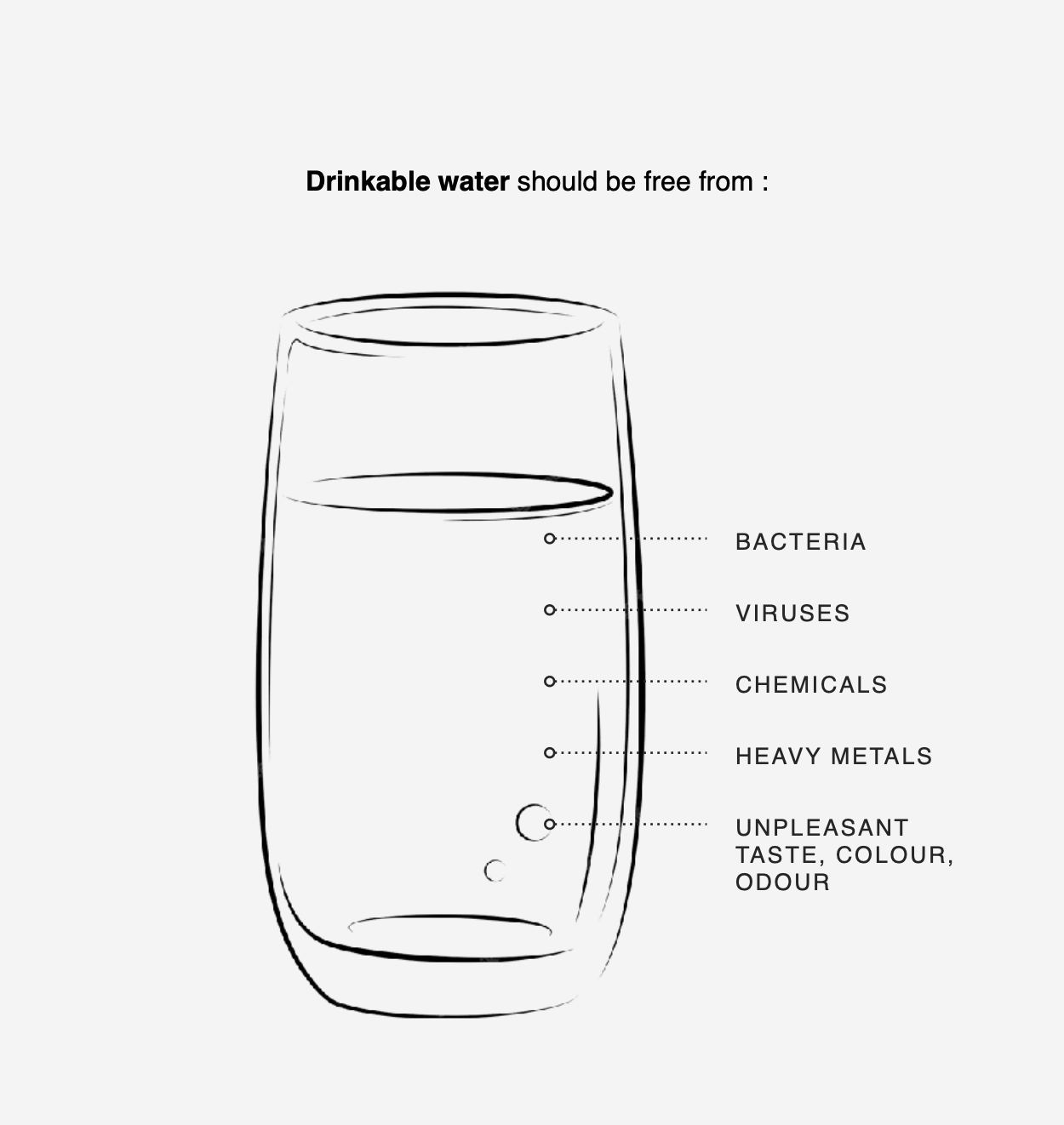
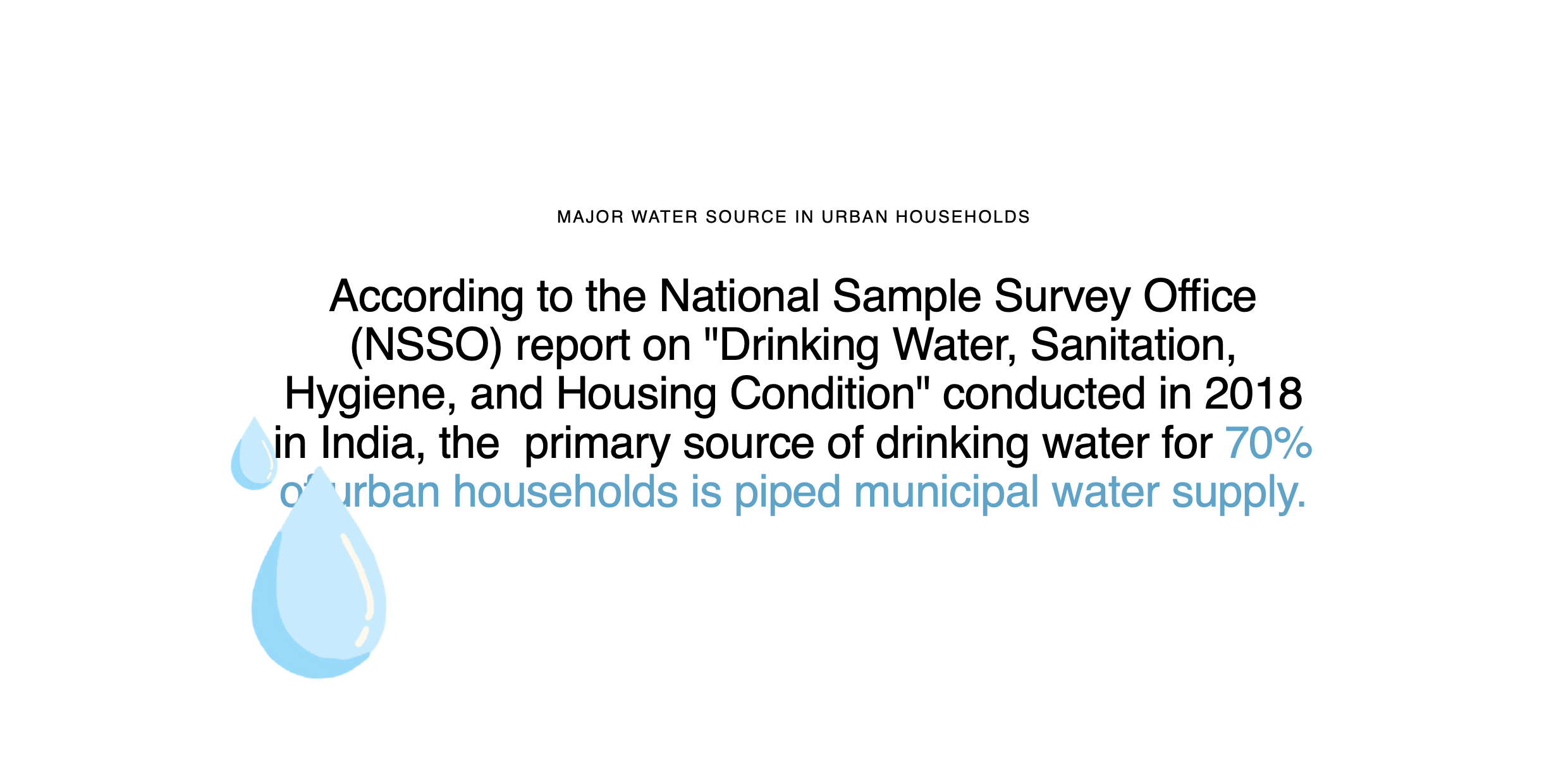
Municipal piped water — the primary source for 70% of urban households — is not safe to drink directly. Bureau of Indian Standards testing across 20 Indian cities found significant contamination in municipal supplies. Borewell and groundwater sources, while appearing clean, carry arsenic, fluoride, nitrates, and biological contaminants that are invisible without laboratory testing.
The market response — RO systems — requires permanent installation, produces significant water wastage, demands professional servicing, and costs well above what this user group can realistically afford. There was a clear gap: no purpose-built, affordable, installation-free purification option for this segment.
Field Research and Water Testing
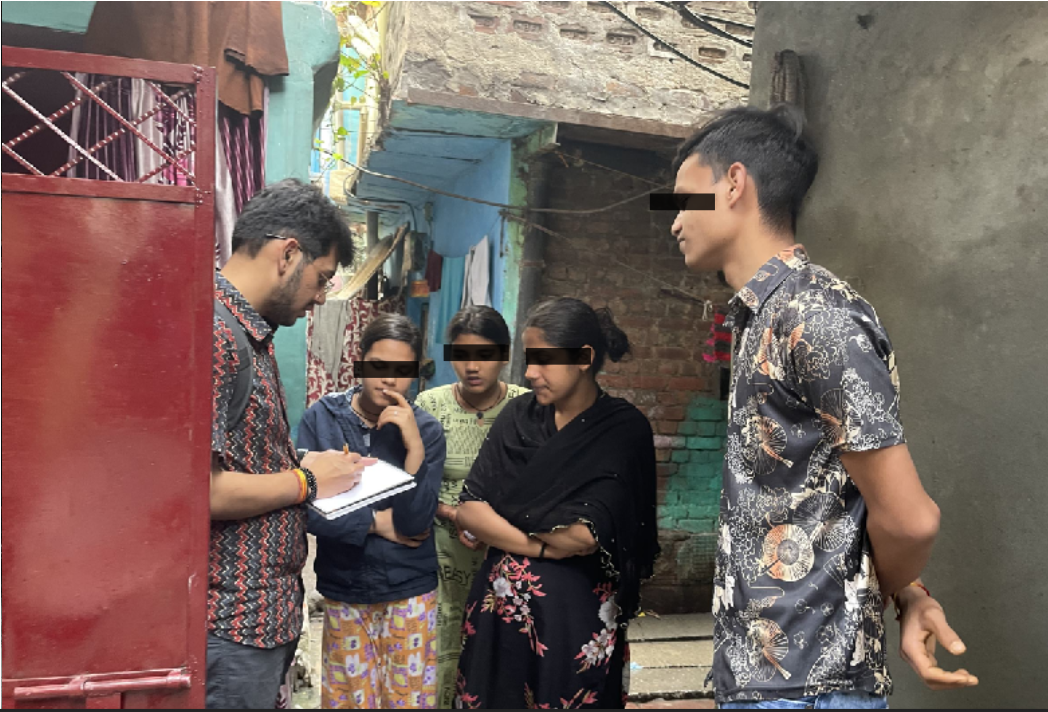
The team conducted in-field user research across five cities — Mumbai, Bangalore, Delhi, Chennai, and Kolkata — targeting households in the lower-middle and upper-lower income segments. I participated in field visits, conducting interviews in homes and communities alongside the research team.
The interviews were structured around a detailed discussion guide developed with the design research leads. They focused on water sourcing behaviour, storage practices, purification habits, perceptions of water safety, and the workarounds people had developed when their usual supply was disrupted.
Alongside the interviews, I was involved in collecting water samples from visited households for laboratory testing. This was a deliberate attempt to close the gap between what people believed about their water and what independent testing would reveal.
The results — reviewed with the team — were stark. Water that appeared clear, tasted acceptable, and smelled clean showed significant E. coli presence, indicating risk of typhoid and diarrhoea. TDS and hardness levels exceeded desirable limits. Evidence of aluminium treatment was present in samples that had passed through municipal systems. The lab results became a foundational input for the product brief: any solution needed to address biological contamination as a primary concern, not just turbidity or taste.
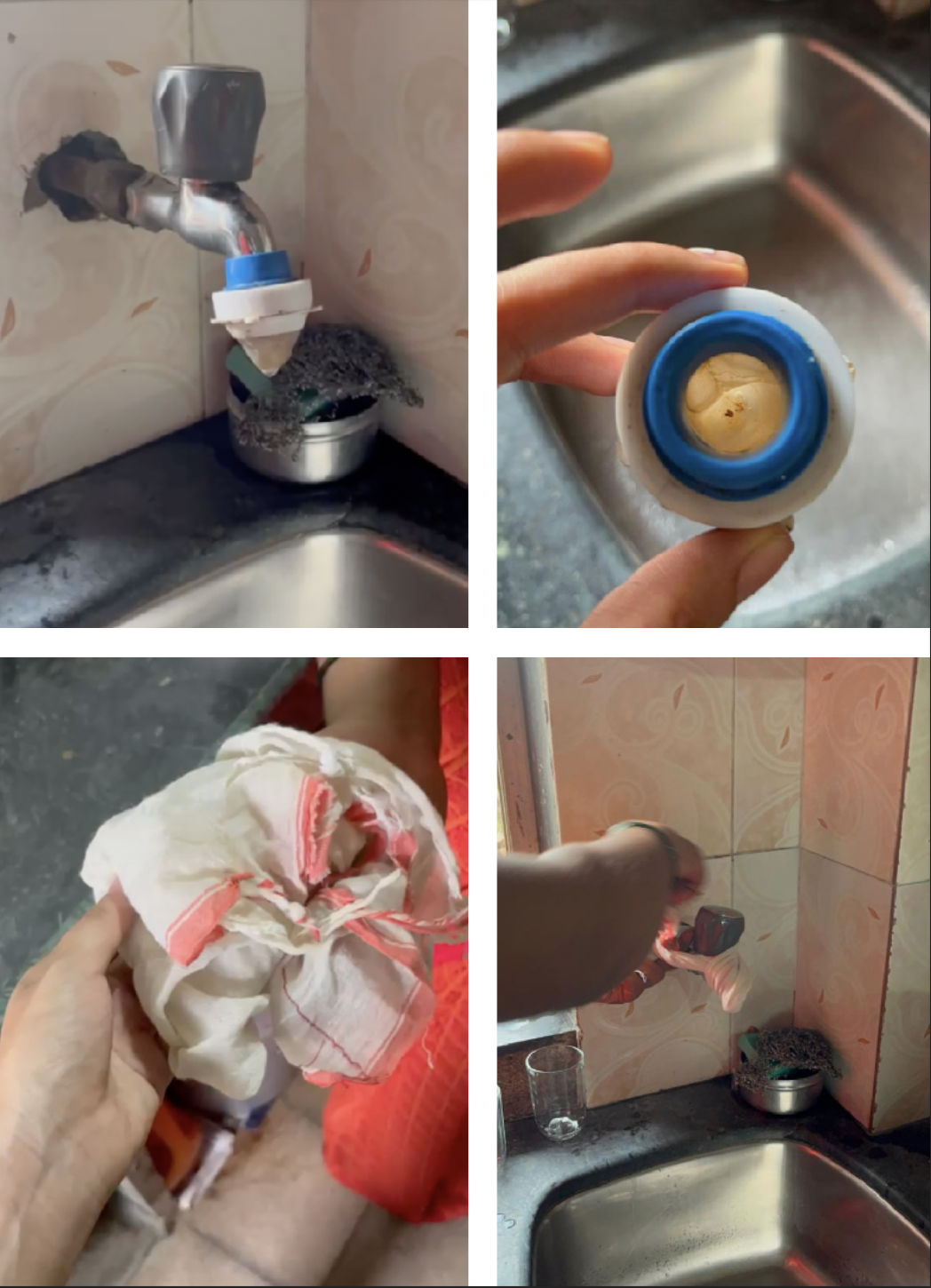
 Water testing — key findings
E. coli in visually clear water
Water that appeared clean and odourless tested positive for E. coli — pathogens responsible for typhoid and diarrhoea. Sensory assessment alone was not a reliable safety indicator.
TDS and hardness above safe limits
Total dissolved solids and hardness readings exceeded BIS desirable limits in multiple samples — consistent with findings from the national BIS survey across 20 Indian cities.
Aluminium residue from municipal treatment
Aluminium concentrations detectable in samples indicated chemical treatment in the municipal supply — effective for turbidity but not sufficient for complete purification.
Synthesis — Archetypes and Key Insights
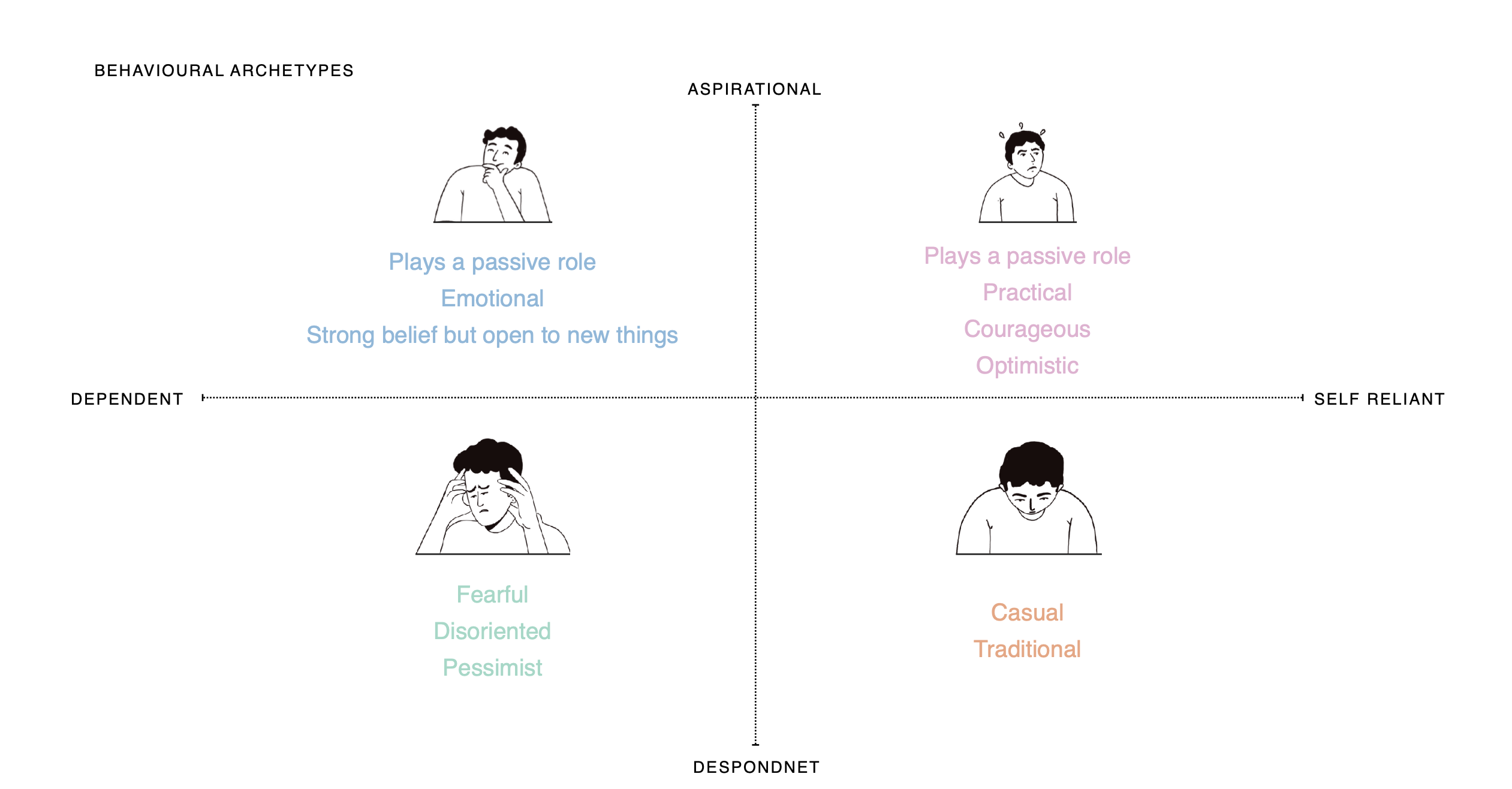
The research team led synthesis across all primary and secondary data. Observations were clustered into themes, and four behavioural archetypes were developed to represent the range of attitudes, motivations, and coping strategies within the target group: Hustlers, Day Dreamers, Settlers, and Despairers. Six key insights were drawn from this synthesis. The four most relevant to the product design direction are below.
Sensory cues are the only available truth
People rely on sight, smell, touch, and taste to judge water safety — because no other accessible tool exists. Water that looked and smelled clean was often contaminated. This wasn't ignorance; it was rational behaviour in the absence of alternatives.
Autonomy is a non-negotiable constraint
Most households in the target group are renters who move every 3–5 years. Products requiring wall drilling, professional installation, or expert servicing were effectively non-starters. The solution had to work without expert help — and move with the family.
Optimisation governs every purchase
"Spend a little every day rather than a lot at once" describes the financial reality of this user group. A solution priced at ₹1,500–2,500 with low, predictable maintenance costs fit the mental model. A high upfront cost — even for a better product — did not.
Preparedness for failure is not optional
When normal water supply fails, families seek alternatives — even if it means walking further or paying more — rather than compromise on quality for drinking and cooking. Any solution had to be reliable enough to act as a primary source, not a backup.
The Design Brief
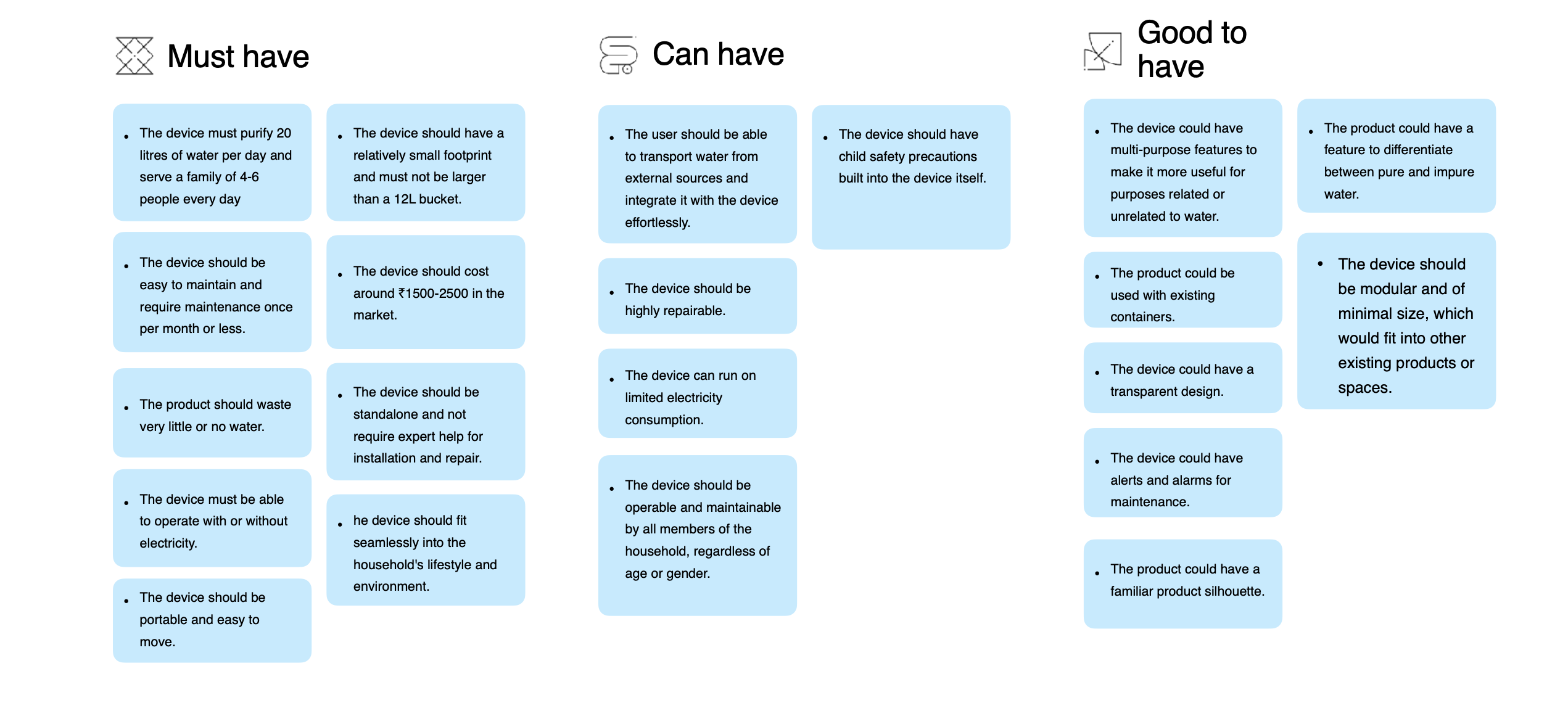
The research output translated into a clear set of requirements. These were developed collaboratively by the full team and guided all subsequent architecture and concept work.
- Purify 20 litres per day — sufficient for a family of 4–6
- Footprint no larger than a standard 12-litre bucket
- Market price of ₹1,500–2,500
- Maintenance required no more than once per month
- Fully standalone — no expert required for installation or repair
- Operable with or without electricity
- Zero or minimal water wastage
- Portable and easy to move between homes
- Operable by all household members regardless of age or gender
- Child safety considerations
- Clear indication of purification status
- Familiar product silhouette for easier adoption
- Alerts for filter maintenance
- Transparent design to show filtration in progress
- Compatible with existing containers and vessels
Technology Mapping and Filter Selection
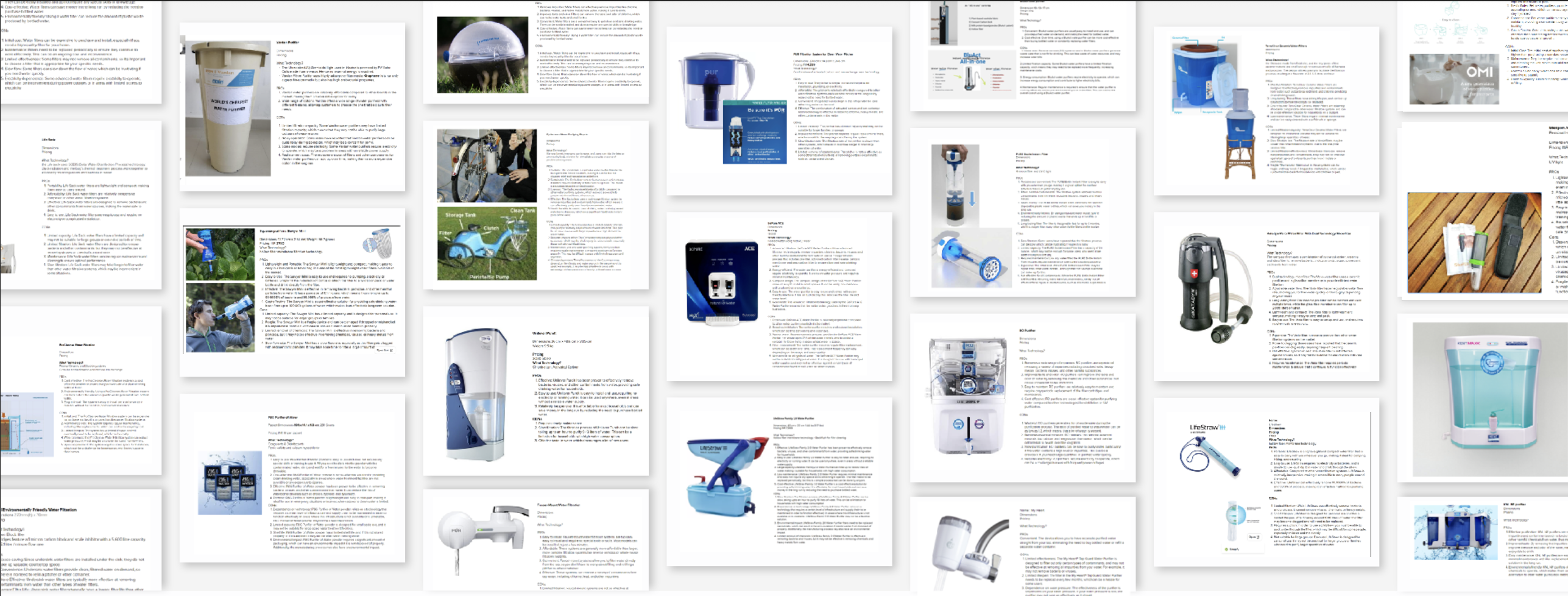
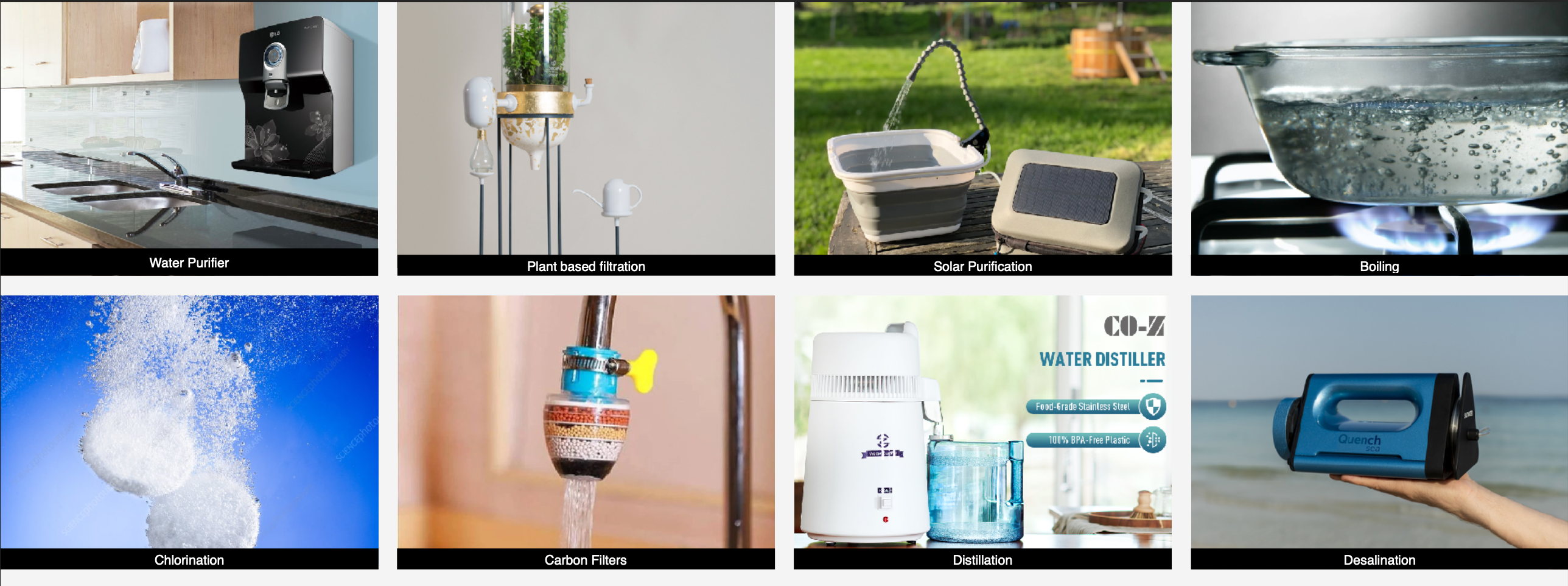
The team conducted an extensive review of available water purification technologies — including boiling, chlorination, UV, RO, UF membranes, ceramic filters, activated carbon, and plant-based methods — mapping each against the impurities identified in the water testing phase, manufacturing complexity, cost, and maintenance requirements.
Two viable filter combinations emerged from this analysis. Both avoided the energy intensity and water wastage of RO systems, while addressing the biological contamination that the lab results had confirmed as the primary risk.
Designing the System Architecture
Translating the filter selection into a physical product architecture was a significant part of my contribution to this project. The architecture needed to accommodate three filtration stages, allow easy user-led filter replacement, work across multiple deployment scenarios (with and without electricity), and remain compact enough to meet the footprint requirement.
The Smart Hub
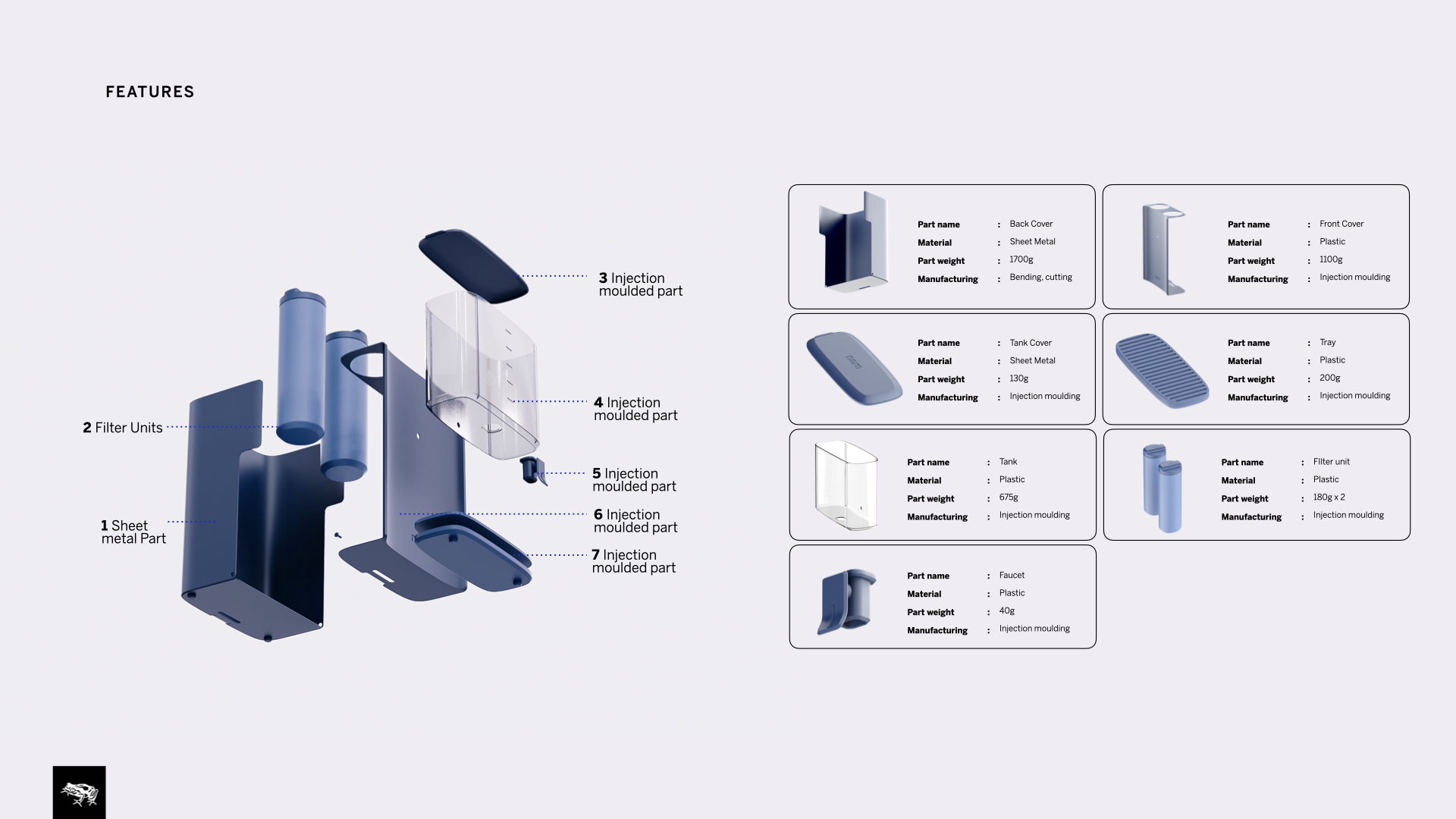
The core of the architecture is a filter hub — a self-contained module that houses the three-stage filter stack vertically. Water enters from the inlet at the top, passes through each filtration stage in sequence, and exits through a clean water outlet separated from the input chamber by a physical partition.
The filter stack is accessible by removing the hub lid — opening the top allows filter cartridges to be extracted and replaced without tools, without disconnecting the water supply lines, and without professional assistance. This was a non-negotiable requirement given the autonomy constraint.
Two filter units are arranged in parallel rather than in series within the hub. This configuration increases flow rate without requiring electrical pressure — allowing gravity-fed setups to achieve the 20L/day target at reasonable throughput.
Sediment Filter
Removes visible suspended particles, clay, sand, and large impurities from incoming water.
Ultra Filter (UF Membrane)
Removes bacteria, viruses, and microscopic biological contaminants. Works without electricity — gravity or manual pressure drives flow.
Activated Bamboo Charcoal
Removes residual chlorine, odour, and dissolved organic compounds. Also re-mineralises water, improving taste.
The Modular 3-in-1 Approach
A key insight from the research was the diversity of housing conditions within the same income segment: some households have overhead water connections, some have consistent electricity, some have neither. A single fixed product configuration would exclude a significant portion of the target group.
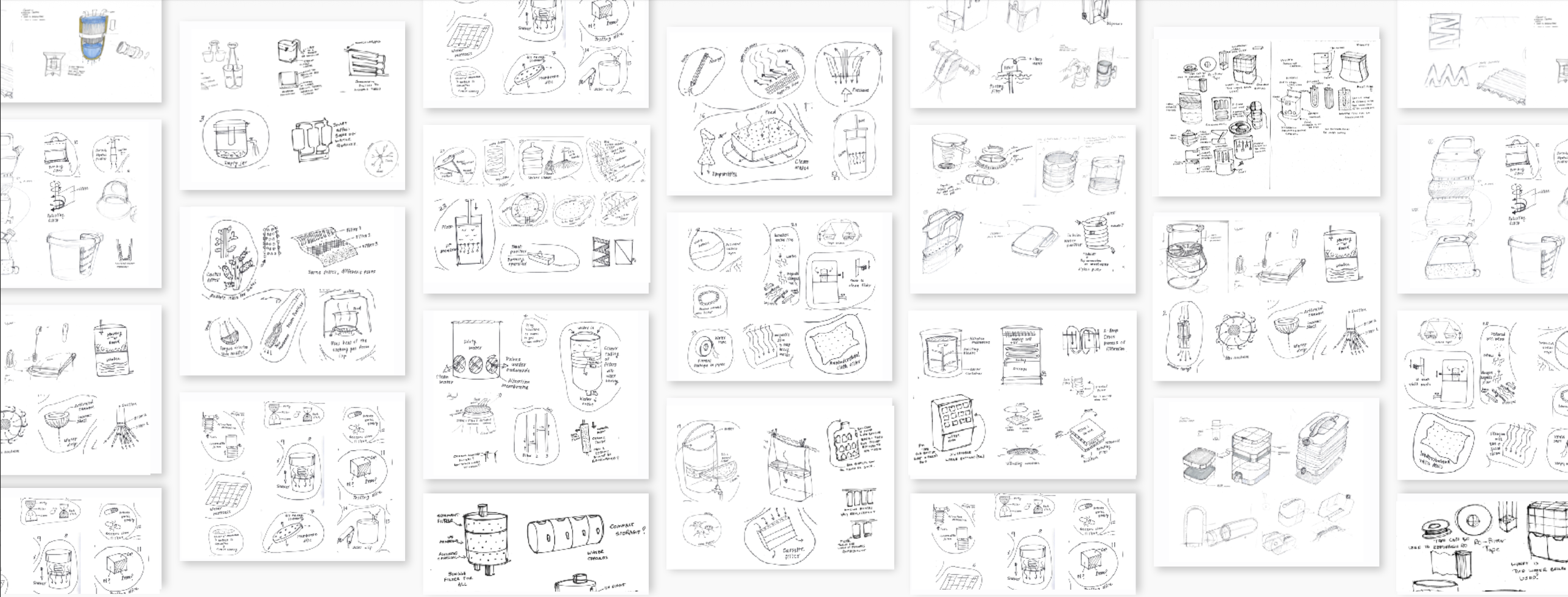
During concept development, I contributed to an approach that reframed the solution as a modular assembly rather than a fixed form. The same filter hub — the core purification component — could be combined with different peripheral modules to suit different households. The hub stays constant; what changes is how water reaches it and where purified water is stored.
Countertop + Electricity
Standard setup for households with consistent power and countertop space. Pump-assisted flow through the filter hub into a clean water tank.
Wall Mount — Gravity Fed
For households without reliable electricity. Mounts on a bracket, connects to an overhead tank. Gravity drives water through the filter sequence with no power required.
Countertop + Manual Pump
For households without overhead connections or electricity. A manual pump pressurises the input storage, driving water through the filters independently.
Community Configuration
Multiple filter hubs arranged in parallel to serve shared community spaces — such as apartment common areas or community water points.
This modular logic meant the product could serve radically different living conditions without requiring separate SKUs for each scenario. A renter in Mumbai without overhead plumbing and a household in Bangalore with a rooftop tank could both use the same core filter unit — just configured differently. It also meant that as a household's situation changed (new home, new connection, power availability), the product could adapt without replacement.
My Contributions
Field research participation
Conducted in-field interviews with households across the target user group. Focused on understanding water sourcing behaviour, storage practices, trust around different water sources, and the improvised systems people had built around their constraints.
Water testing coordination
Collected water samples from visited households. Coordinated testing with external laboratories. Reviewed results with the team and helped interpret findings in the context of the design brief — particularly around the gap between perceived water safety and measured contamination.
Product architecture development
Worked on the internal working architecture of the filter hub — how the three filtration stages would be physically arranged, how water would flow through them, and how the system would accommodate both pressure-fed and gravity-fed operation. Focused on making filter replacement achievable without tools or expert help.
Concept development — modular architecture
Contributed the direction of a modular 3-in-1 assembly approach, where the same core filter hub could combine with different peripheral modules depending on household context. Helped evaluate this and other concepts against usability, manufacturability, and technical feasibility alongside the broader team.
Team Collaboration
Neero was a large, multidisciplinary team effort. The work described in this case study was not done independently — it was built on the contributions of researchers, designers, project management, and engineering collaborators across the full project span.
Industrial Design Lead
Led overall ID direction and concept selection
Design Research Lead
Led the research methodology, synthesis, and archetypes
Project Manager
Owned timeline, stakeholder coordination, and delivery
Industrial Design Team
Concept generation, form development, 3D modelling, prototyping — I was part of this team
Design Research Team
Field research, synthesis, insight development
Visual Design Team
CMF, visualisation, documentation
External Research (DOT School)
Collaboration for Chennai-based field research
Industrial Design Interns
Supported across ideation, modelling, and documentation
The project concluded at Phase 1 — covering immersion, conceptualisation, and the development of a final concept direction. The output was a fully developed filter hub architecture, four validated deployment scenarios, a modular product system, and detailed documentation including photorealistic renders, user scenarios, and a technical brief for engineering handoff.
The work validated a viable path toward a purification product in the ₹1,500–2,500 price range, operating without electricity, requiring no professional installation, and covering the primary contamination concerns identified in field-collected water samples. Phase 2 (3D modelling, prototyping, CMF) and Phase 3 (engineering design and validation) were scoped and planned, though my involvement ended at Phase 1.
This project was a frog internal initiative. All work is confidential. Screens, documentation, and detailed renders are not shared publicly.
What this project made concrete for me was how much design is constrained by things that are invisible in the brief. The target user for Neero doesn't just face a water quality problem — they face a renting reality that rules out wall installations, an income structure that rules out high upfront costs, and a maintenance capacity that rules out anything requiring expert servicing. Each of those constraints arrived through field visits and real conversations, not from secondary sources. The water testing added a different kind of clarity: what people believe about their water and what the lab finds are often disconnected. Designing something that bridges that gap — that works reliably in conditions users don't fully understand — is where the real complexity of this kind of problem lives.